Steel, Aluminum or Wrought Iron for an Austin Driveway Gate
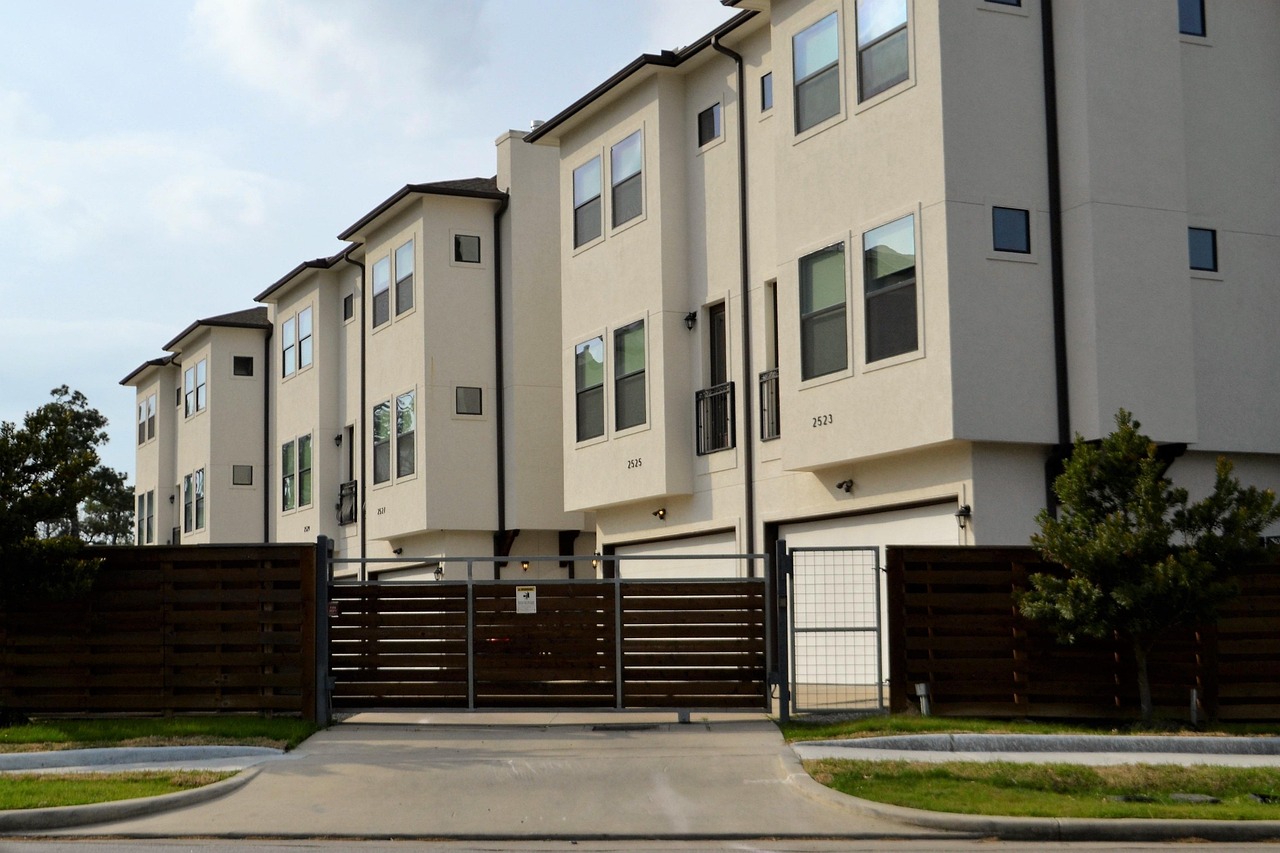
Steel, aluminum and wrought iron all show up on Austin driveways, and each reacts differently to a summer that runs hot for months, to the occasional hard freeze and to the flash storms that roll across the Texas Hill Country. The choice affects how heavy the gate is, which operator it needs, how the coating holds up and what the maintenance looks like five years on. This is the comparison a fabricator walks through before a frame is cut.
How does the material change the weight of a gate?
Weight sets the operator, the hinges, the footings and the wear on every moving part. A steel tubing frame with solid pickets is the heavy end of the range. Aluminum of the same size weighs a fraction of that, which is why it suits long spans and operators with modest motors. Wrought iron, in the sense of hand forged bar and scroll work, falls in between and varies with how much ornament it carries.
On a sloped lot the weight matters twice. A heavy swing leaf lifts itself uphill and wants to run away downhill, and a heavy slide gate does the same along a grade. Lighter gates give the operator an easier day, and they can allow a smaller footing in rocky ground near the Balcones Fault where every extra inch of depth adds drilling time.
What does each material do in Austin heat and sun?
Dark paint on steel in direct sun gets hot enough to burn a bare hand by mid afternoon. That heat expands the frame slightly and bakes the paint, and it warms anything bolted to it, including an operator bracket and a keypad. Aluminum conducts heat quickly and also cools quickly. Light colors on any metal reflect more sun and reduce the thermal swing, and the choice of powder coat color has more to do with longevity than most people expect.
Wood or composite infill inside a metal frame brings its own movement. Wood swells with humidity and shrinks in August, and a gate that closed smoothly in April may rub in July. A frame with open pickets avoids the swelling problem and lets wind pass through.
How do the three compare side by side?
| Property | Steel tubing | Aluminum | Wrought iron |
|---|---|---|---|
| Weight | Heavy | Light | Medium to heavy |
| Rust behavior | Rusts if the coating breaks, galvanizing slows it | Does not rust, can pit near salt or chemicals | Rusts readily without paint |
| Strength for long spans | Very good | Good with larger sections | Good for short spans |
| Operator demand | Highest | Lowest | Moderate to high |
| Weld repair | Easy in the shop or on site | Needs a skilled welder | Easy, matching old work takes care |
| Typical finish | Powder coat or paint over galvanizing | Powder coat | Paint or powder coat |
No row in that table settles the question alone. A lot with a steep drive and a long gate will lean on the weight row. A lot beside Lady Bird Lake or a creek bed near Bouldin Creek, where the air stays damp, leans on the rust row.
What about rust, storms and moisture?
Rust is a coating problem more than a metal problem. Bare steel starts to rust within days of a scratch in humid weather, and a flash storm across the Colorado River brings plenty of moisture to a scratch. Hot dip galvanizing puts a zinc layer on the whole frame inside and out, which matters because the inside of a tube cannot be painted by hand. A powder coat over galvanizing gives two layers of defense, and the coating only has to be touched up where it chips.
Aluminum shrugs off ordinary moisture. The weak points are the fasteners and any steel hardware bolted to it, since two metals in contact with water can corrode where they meet. Stainless or coated fasteners and nylon washers help on a frame that will see damp air for years.
How do welds and joints hold up?
The weld is where a frame wins or loses its long term life. A good weld on a steel gate is continuous, ground smooth and sealed before coating, so water cannot sit in a crevice and start rust from the inside. A poor weld leaves pinholes and sharp edges that coating will not cover. On aluminum, a weld takes more skill because the metal conducts heat away quickly and can crack if the heat is wrong.
Bolted joints are common on aluminum kits and on gates assembled on site. They are fine when sized and tightened properly, and they need a check every year or so, since heat cycles loosen hardware. A gate that has to be moved, resized or repaired later is easier to deal with when its joints can be reached with a wrench.
Which suits a sloped Hill Country lot?
A steep drive with room beside the opening usually points to a slide or cantilever gate, and aluminum keeps the carriage load down. A narrow lot in Hyde Park or Clarksville with a short opening can take a wrought iron or steel swing pair without strain, and ornament fits an older house. A gate above Mount Bonnell, exposed to wind, does better with open pickets than a solid face, regardless of material.
The footing problem often settles the rest. Hard limestone near the Balcones Fault can take a smaller footing for a light gate, and the crew saves a day of drilling. Soft clay near Mueller wants a wider footing for a heavy one. The material and the ground have to be chosen together.
Does the finish matter as much as the metal?
For long life it often matters more. A properly prepared surface, cleaned and blasted, then primed or coated, holds for years. A rushed one flakes in the first summer. Powder coat is baked on and forms a harder shell than most brush paint, and it resists the sun better. Glossy finishes show scratches and chalk less than flat ones, and a satin black on a driveway gate in Austin, TX will outlast a cheap enamel by a wide margin.
Touch ups need the right product and a clean surface. A chip filled with whatever is in the garage will peel. A crew will keep a small supply of matched coating for a repair, and a yearly walk around the gate with a flashlight finds most problems while they are still small.
What about the parts that move?
Hinges, rollers, bearings and the track wear no matter what the frame is made of. Sealed bearings and stainless pins outlast plain steel ones. A track slide in a ground channel collects grit and storm runoff, while a cantilever gate on overhead rollers keeps the track off the ground. Grease or dry lubricant suits each part, and the maker of the hardware will say which.
The operator and its sensors share the frame, and their brackets need solid mounting points. Welded tabs on a steel frame make that simple, and on aluminum the crew uses reinforced plates so a bolt does not pull through thin wall tubing.
Which metal should a homeowner pick?
Pick the material that fits the span, the slope and the damp air at the lot, then spend the saved effort on a good weld and a good coating. A plain frame in the right metal outlasts an ornate frame in the wrong one.