Gate Post Footings in Rocky Hill Country Ground
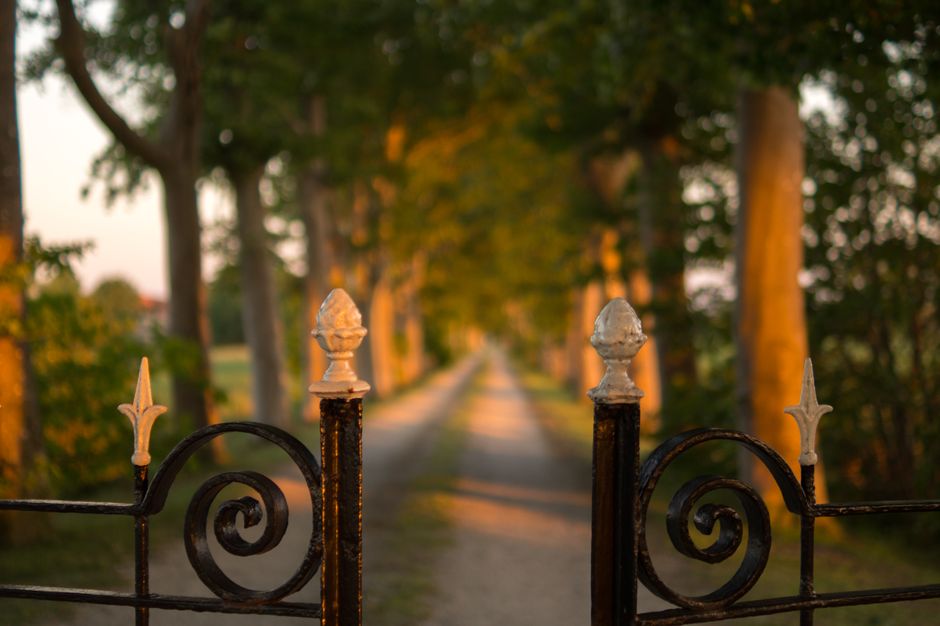
The ring of an auger bit skipping on limestone tells a crew within a minute that the day will run long. Work booked through austin driveway gates the derek bordeaux group shows how often that happens west of the Balcones Fault, where the ground goes from soil to rock in a few inches. A gate post footing in Austin, TX is the one part of the job that nobody sees afterward, and it decides whether the gate still hangs true after ten summers of cracking clay and hot stone.
Soil on one side of the fault, rock on the other
East of the Balcones Fault the ground around Mueller and Bouldin Creek is deeper clay, which swells in a wet spring and shrinks in August. West of it, toward Mount Bonnell and the Texas Hill Country, a shovel hits limestone and caliche almost at once. A crew learns to expect both on one street, since the fault line wanders and a lot can sit on either side of it.
What drilling into rock really involves

A standard auger handles clay without complaint. In limestone the crew switches to a rock bit or a core drill, and the hole advances at a crawl. Some posts need a hammer drill to chip the last few inches. A footing that would take an hour in soil can take most of a day in rock, which is why a gate crew in Austin quotes a window for installation rather than a single hour.
Depth is set by load, not by habit
A heavy swing gate on a single post puts its whole weight on one footing as a leverage load, so the hole goes deeper and wider than a post for a light picket gate. A slide gate or cantilever gate spreads the load across several footings, each shallower. In solid rock a shallower hole set with anchor bolts or a pinned base plate can grip better than a deep hole in loose fill, and the crew judges that on the spot.
Concrete, drainage and the freeze that rarely comes
Freezing is rarely the issue in Austin, so frost depth does not drive the hole. Water does. A footing that collects runoff beside a driveway on a slope can undermine the post over time, so crews crown the top of the concrete and shed water away from the steel. A galvanized post sleeve helps when the soil stays wet near Lady Bird Lake or a creek bed.
Utilities and the day's schedule
Before any hole is drilled, locates mark gas, water and electric lines, and a gate operator needs conduit run back to power. Rock slows the trench too, so the post footing, the conduit and the keypad pedestal base all get planned together. Cure time comes last: the crew leaves the posts alone until the concrete has set, then hangs the frame, and a gate in rocky ground often takes two visits where soil takes one.